
Description
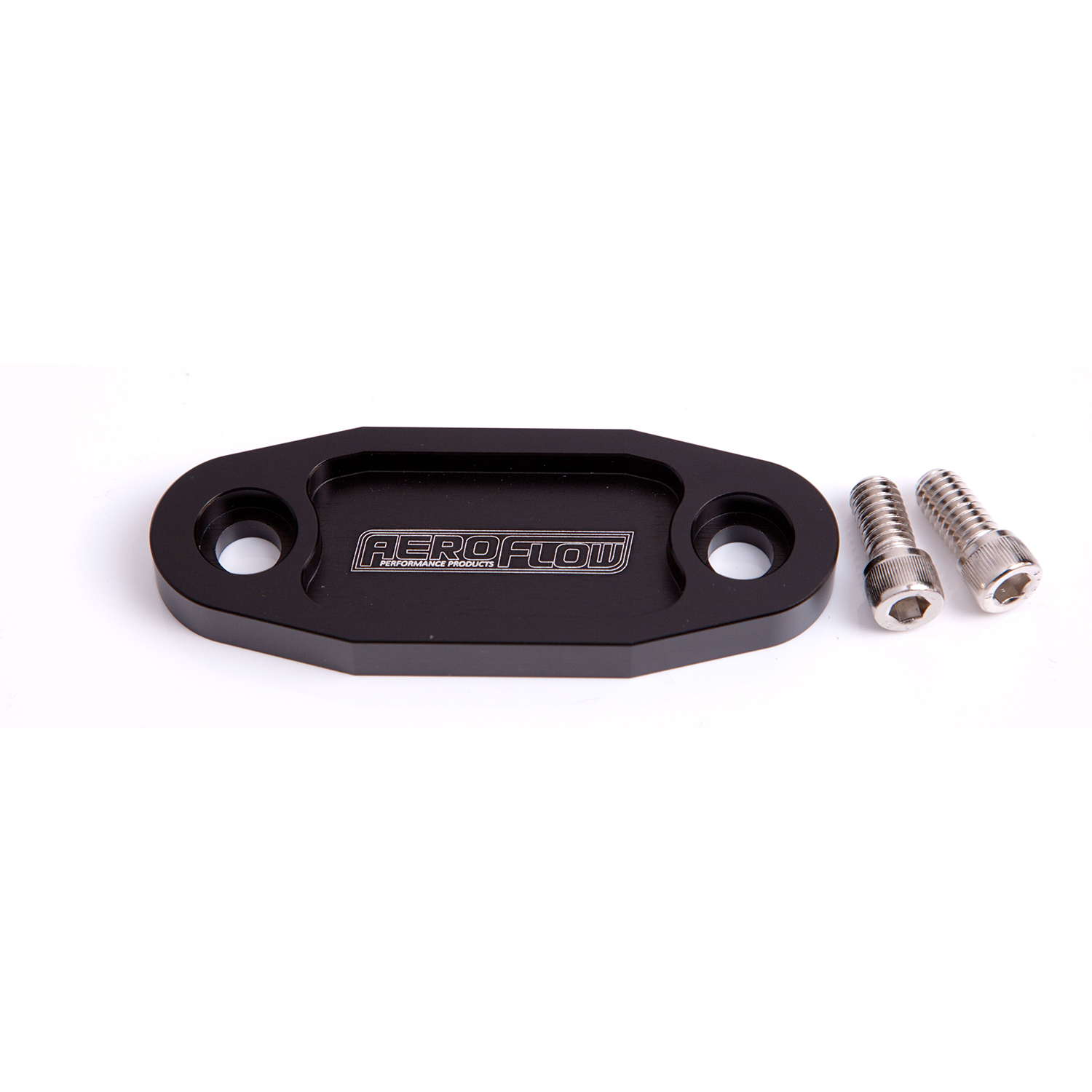
AEROFLOW Billet Fuel Pump Block-Off Plate, Ford V8 302C 351C, Black
Aeroflow’s fuel pump block off plates are used to seal the opening in the engine block wherever a mechanical fuel pump is not used. Each plate includes stainless steel bolts.
Overview
- Description: Billet Fuel Pump Block-Off Plate
- Material: Billet Aluminium
- Colour: Black
- Fitment: Ford V8 (302 Cleveland / 351 Cleveland)
- Part Number: AF64-2020BLK
- Supplier: Aeroflow
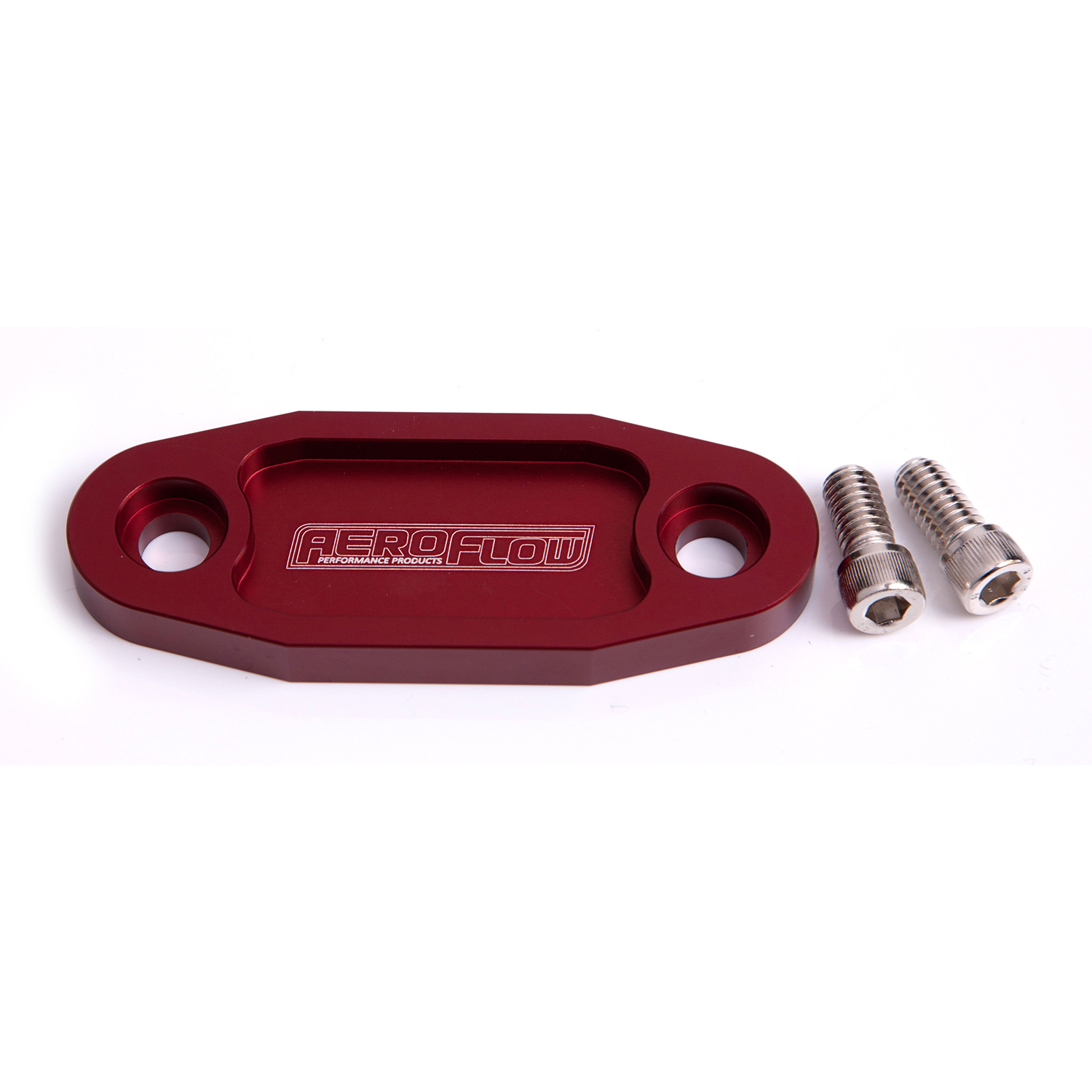
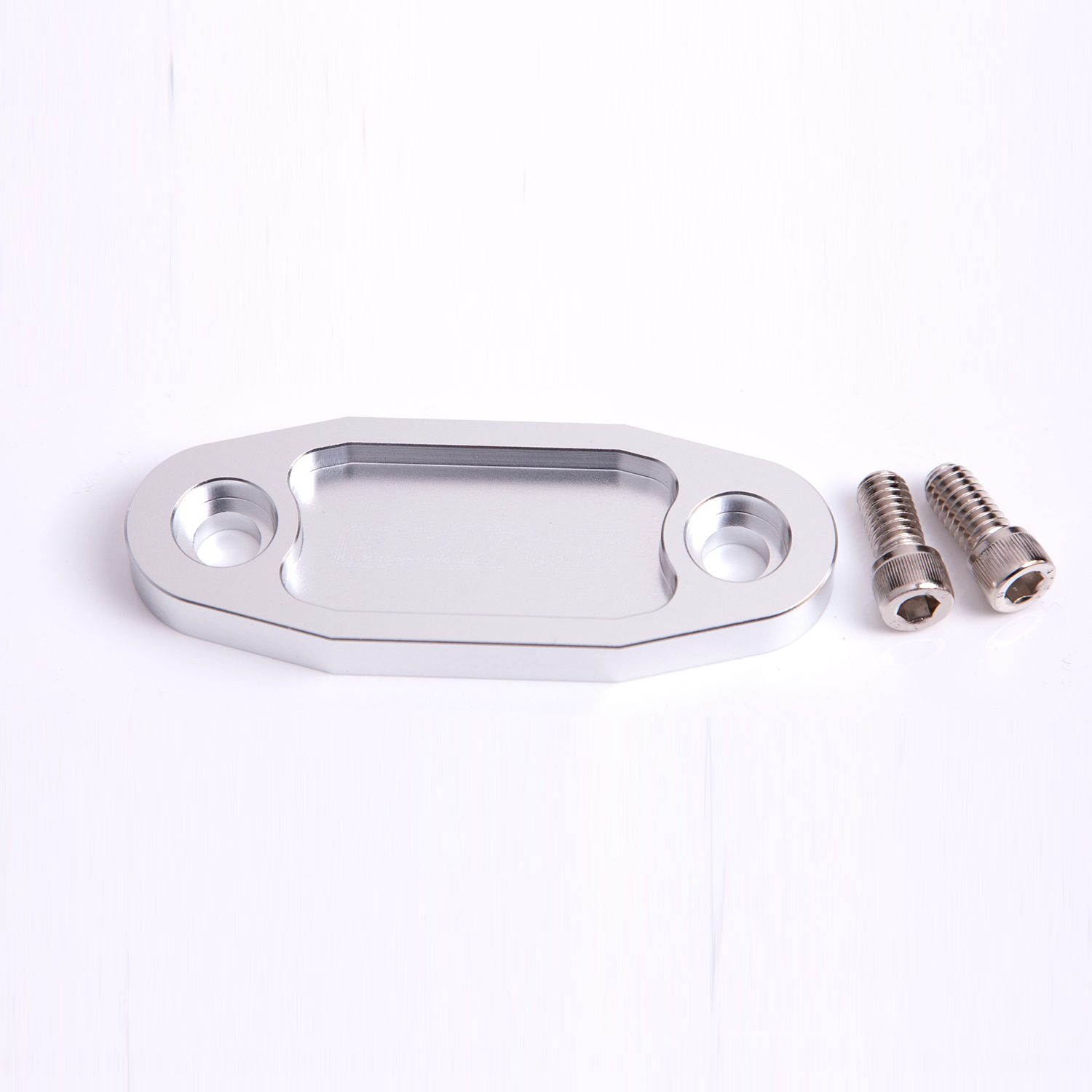
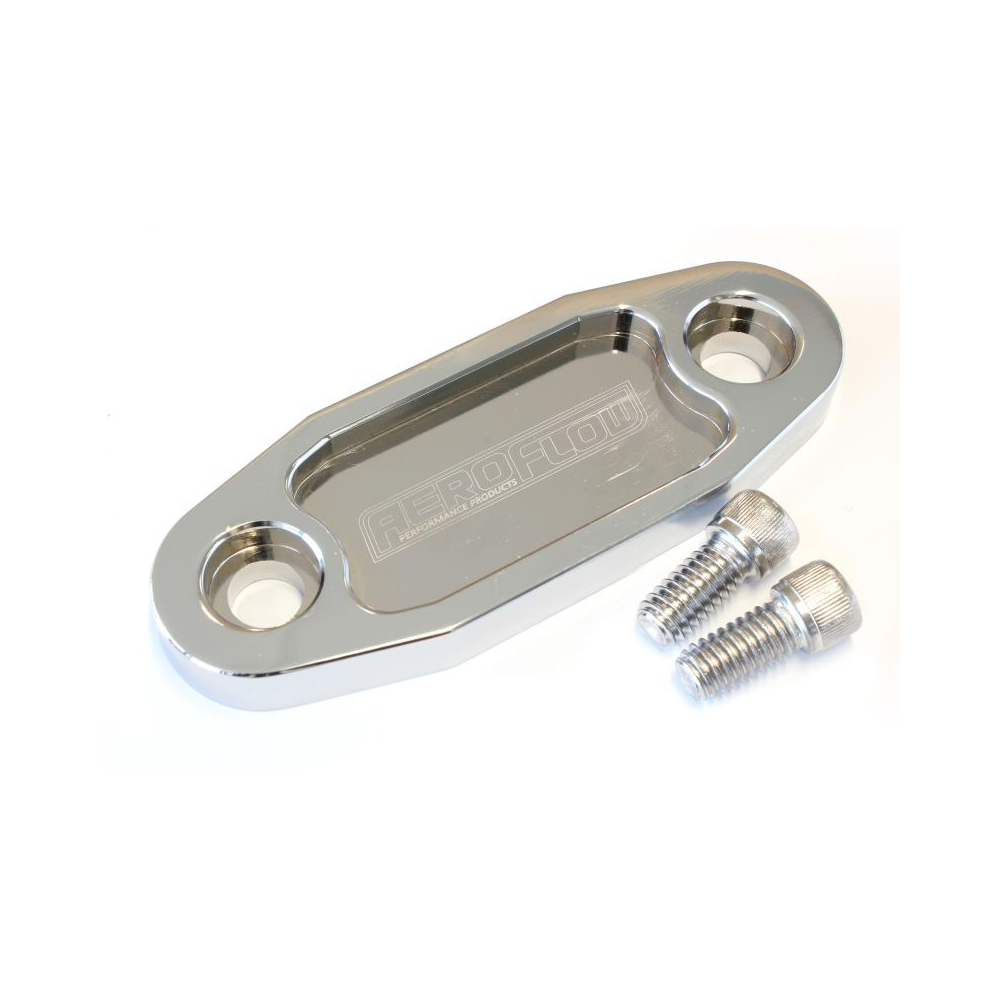
These Block-Off Plates are available in multiple colours.
Since 2010, Aeroflow Performance Products has grown to design and manufacture close to 11,000 exceptional quality products. Fittings and hoses, fuel system components, air and oil filters, oil systems, silicone hoses, fabricated tanks, alternators, workshop tools and much more. As a company, they have tried to lead the way for the Performance enthusiast.
Frequently Asked Questions
A: The Ford 302C and 351C are V8 engines that belong to the “335 series” engine family, and were primarily produced in Ford’s Cleveland, Ohio, plant. The “C” in their names stands for “Cleveland.” These engines were known for their excellent performance characteristics, particularly their superior-flowing cylinder heads.
A: Here’s an overview of the Ford 302C (Cleveland) V8 engine:
-
- Displacement: 302 cubic inches (4.9 L).
- Production: The 302C was a unique engine produced exclusively in Australia.
- Key Features:
- Shared Design: The 302C shares its main components and block design with the 351C, but with a shorter stroke. This meant it used a different crankshaft and shorter connecting rods.
- Heads: The 302C had unique cylinder heads that were “closed chamber” or “quench” design with a smaller combustion chamber size (58cc) compared to the 351C’s 74cc. This allowed for a higher compression ratio.
- Performance: Like its 351C sibling, the 302C was a performance-oriented engine, and in later Australian models, it was even offered with a 4-barrel carburetor.
A: Here’s an overview of the Ford 351C (Cleveland) V8 engine:
- Displacement: 351 cubic inches (5.8 L).
- Production: The 351 Cleveland was produced in the U.S. from 1970 to 1974. It continued to be produced in Australia until 1982.
- Key Fetures:
- Cylinder Heads: This is the defining feature of the 351C. They were designed with large, “canted-valve” ports, which allowed for exceptional airflow. This made the engine very responsive at high RPMs.
- Variants: The 351C came in different versions, most notably the 2-barrel (2V) and 4-barrel (4V) carburetor models. The 4V heads were the high-performance version, with even larger ports and valves. The legendary Boss 351, for example, used a high-performance 4V head.
- Block: The 351C block was different from the 351 Windsor (351W). It was lower, wider, and heavier, and had a different oiling system and bellhousing bolt pattern.
- Origin: The 351C was a U.S. engine, while the 302C was an Australian-exclusive variant.
- Block and Architecture: Both the 302C and 351C belong to the same engine family, sharing the same block design. However, they had different strokes, requiring different cranks and rods.
- Heads: The cylinder heads, while both “Cleveland” in design, had different combustion chamber sizes and characteristics to accommodate their respective displacements.
It is important to distinguish these engines from the Ford 302 Windsor (often called the “5.0”) and Ford 351 Windsor (351W), which belong to a different family of Ford small-block V8s. The Windsor engines were produced in a different plant (Windsor, Ontario), and their components (such as cylinder heads, block, and even the bellhousing bolt pattern) are not interchangeable with the Cleveland engines.
Reviews
There are no reviews yet.